
Elmina offers more than just well-maintained guesthouses, good restaurants, hotels, and beautiful beaches. It is steeped in rich history and home to some of Ghana’s most significant cultural landmarks.
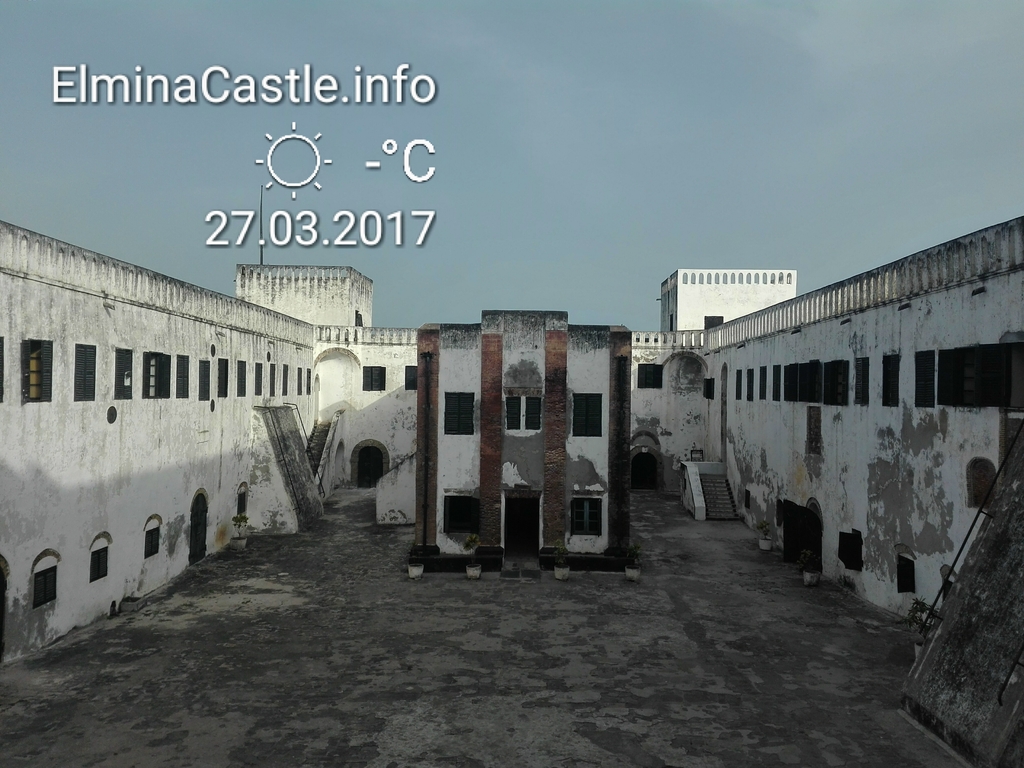
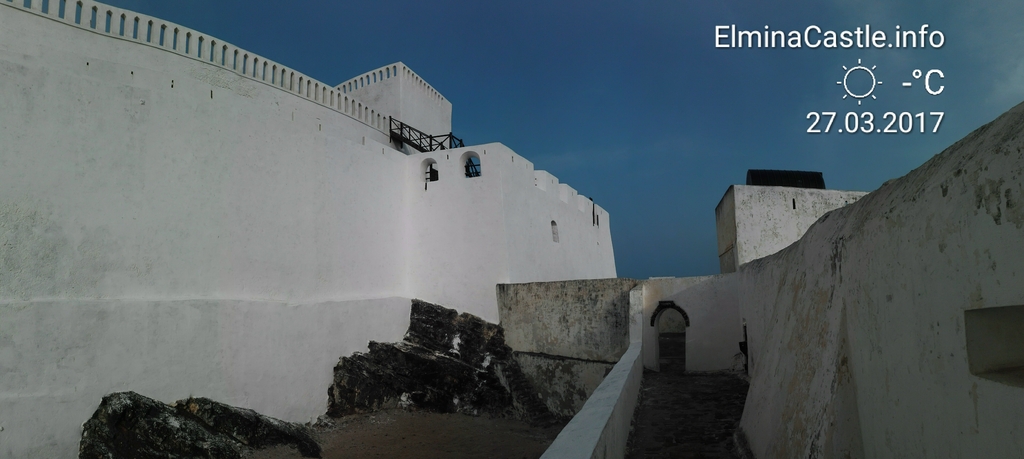
One of the most prominent sites is St. George’s Castle, built after 600 Portuguese settlers led by Don Diego d'Azambuja arrived on 19th January 1482. They chose the location strategically—atop rugged cliffs between the Atlantic Ocean and the Benya Lagoon—for its natural defenses and safe anchorage. Initially a small rectangular fortress, the castle functioned like a self-contained trading town, often described as “a ship at permanent anchor.” It housed living quarters, a chapel, an officer’s mess, auction halls, and storage rooms around a vast courtyard. While it was home to a small number of soldiers and traders, it also tragically held up to 1,000 enslaved Africans in underground dungeons, awaiting ships bound for the Americas.
Nearby is Fort St. Jago, perched on St. Jago Hill.
It was from here that the Dutch launched their successful siege of Elmina in 1637. To guard against future attacks, they built a fortified outpost in 1666—Fort Coenraadsburg, better known as Fort St. Jago. Unlike the castle, this fort served purely military purposes, housing rotating Dutch troops but no commercial operations.
Another important site is the Dutch Cemetery, dating back to 1806.
It lies in what was once the castle’s garden—used for growing food for residents and passing ships. Before then, Europeans buried their dead within or just outside the castle walls, but with space running out, the cemetery was moved here.
Surrounded by centuries-old silk cotton trees and enclosed by a protective wall, it holds the graves of several Elmina governors, notable townspeople, and Nana Kobena Isyan, a former Elmina king. At its center stands a solemn vault topped by an obelisk, marking it as one of Elmina’s oldest and most sacred heritage sites.
Explore 16 Regions of Ghana